Most marketers obsess over getting external backlinks while completely ignoring the goldmine sitting right under their noses: internal links. If you’re not strategically thinking about how your content connects to itself, you’re leaving serious marketing value on the table.
What Internal Links Actually Do for Your Marketing
Internal links aren’t just navigation tools—they’re powerful marketing instruments that work 24/7 to improve your results. Here’s what they’re actually doing behind the scenes:
They guide your audience through your marketing funnel. Every internal link is an opportunity to move someone from awareness to consideration to decision. Link from that educational blog post to your product comparison page. Connect your case study to your pricing information. You’re literally architecting the customer journey.
They amplify your SEO efforts exponentially. Search engines follow internal links to understand your site’s structure and determine which pages matter most. When you strategically link to your money pages (product pages, service offerings, lead magnets), you’re telling Google “this content is important.” The math is simple: more strategic internal links to key pages equals higher rankings potential.
They increase time on site and reduce bounce rates. Marketing isn’t just about getting people to your site—it’s about keeping them engaged. Smart internal linking creates a web of related content that encourages deeper exploration. Someone reading about “email marketing tips” might click through to your “email automation guide,” then to your “email templates,” and finally to your email marketing service.
They distribute authority throughout your domain. Think of link authority like water flowing through pipes. External backlinks pour authority into specific pages, and internal links distribute that authority throughout your site. This means your high-performing content can lift up your newer or less-linked pages.
The Hidden Costs of Poor Internal Linking
Most websites link randomly or not at all, and it’s costing them dearly:
Lost conversion opportunities. Every piece of content should have a clear next step, whether that’s downloading a lead magnet, viewing a product, or contacting your team. Without strategic internal links, visitors consume your content and leave without taking action.
Wasted content investment. You’ve spent time and money creating valuable content, but if it’s not properly linked, it might as well be invisible. Great content that’s not discoverable through internal links often gets zero organic traffic and provides zero marketing value.
Confused user experience. When visitors can’t easily find related information, they get frustrated and leave. Poor internal linking creates dead ends instead of pathways to engagement.
Missed SEO potential. Pages without adequate internal links struggle to rank, no matter how good the content is. You could have the best resource on your topic, but without internal link support, it may never reach its ranking potential.
How to Think About Internal Links Strategically
The best marketers approach internal linking like they approach any other marketing channel: with intention, measurement, and optimization.
Start with your business goals. What actions do you want visitors to take? Map out your ideal customer journey, then use internal links to guide people along that path. Your link strategy should support your conversion strategy.
Create content clusters around your key topics. Group related content together and link extensively within each cluster. This creates topical authority and makes it easy for visitors to dive deep into subjects they care about. If you sell project management software, create clusters around “productivity tips,” “team collaboration,” and “project planning.”
Prioritize your most important pages. Not all pages are created equal. Your product pages, service offerings, and key lead magnets should receive more internal links than your random blog posts. Create a hierarchy and link accordingly.
Use descriptive anchor text. Instead of “click here” or “read more,” use anchor text that describes what visitors will find. This helps both users and search engines understand the context and value of the linked page.
Link early and often within content. Don’t wait until the end of your articles to add internal links. Weave them naturally throughout your content when they add value to the reader’s experience.
Making Internal Links Work Harder for Your Marketing
Transform your internal linking from an afterthought into a marketing powerhouse:
Create content upgrade pathways. Link from beginner content to intermediate and advanced content. This keeps visitors engaged longer and positions you as a comprehensive resource.
Build bridges between different content types. Connect blog posts to case studies, guides to webinars, and educational content to product information. These bridges help move people through different stages of awareness.
Use internal links to support campaign goals. Launching a new product? Make sure relevant existing content links to the new product page. Running a promotion? Update your most popular posts with links to the promotional landing page.
Leverage your top-performing content. Your most popular pages have the most link authority to share. Regularly audit your top performers and ensure they’re linking to your most important pages.
The Maintenance That Makes the Difference
Internal linking isn’t a set-it-and-forget-it task. The most successful marketers treat it as an ongoing optimization opportunity:
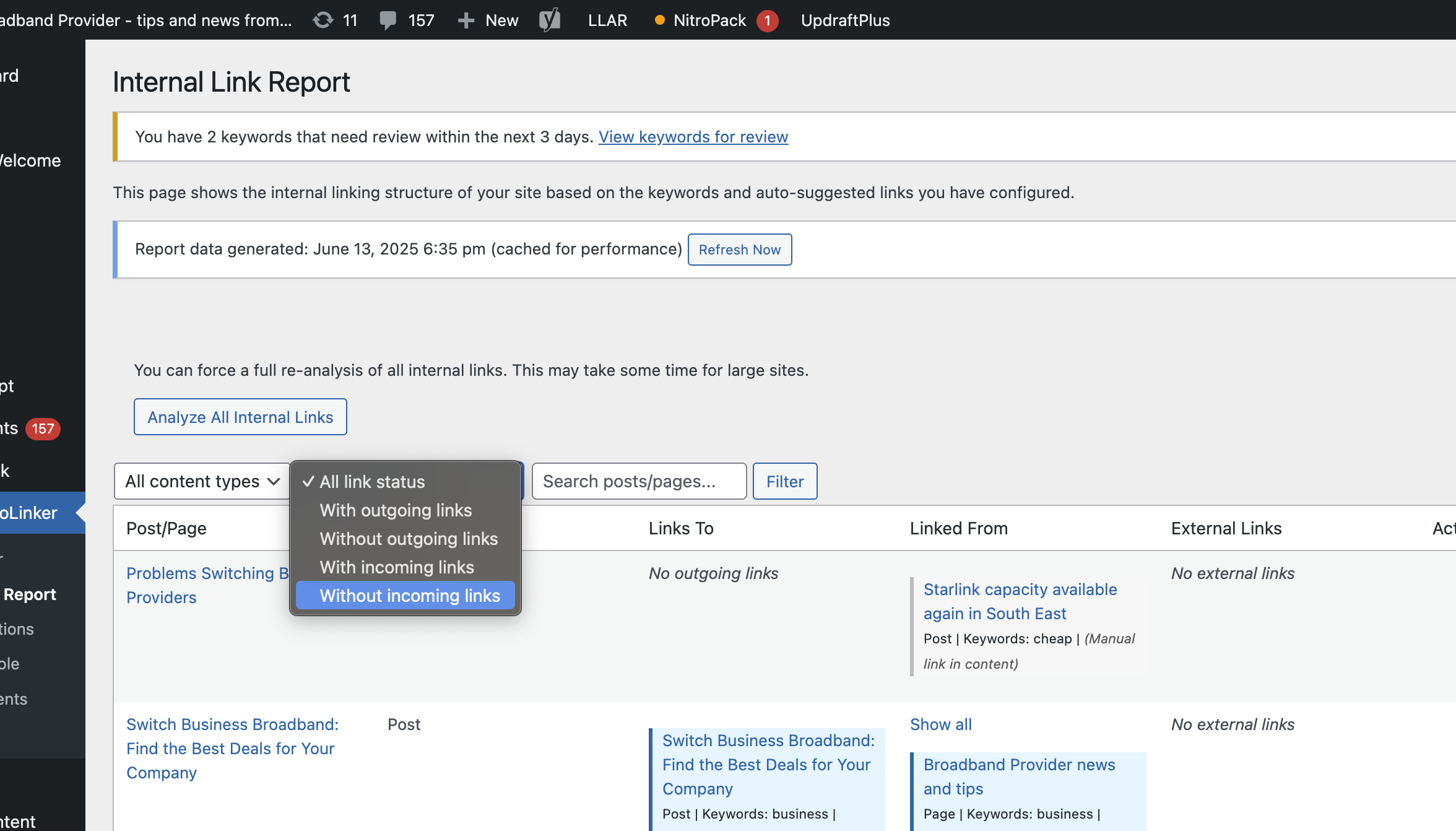
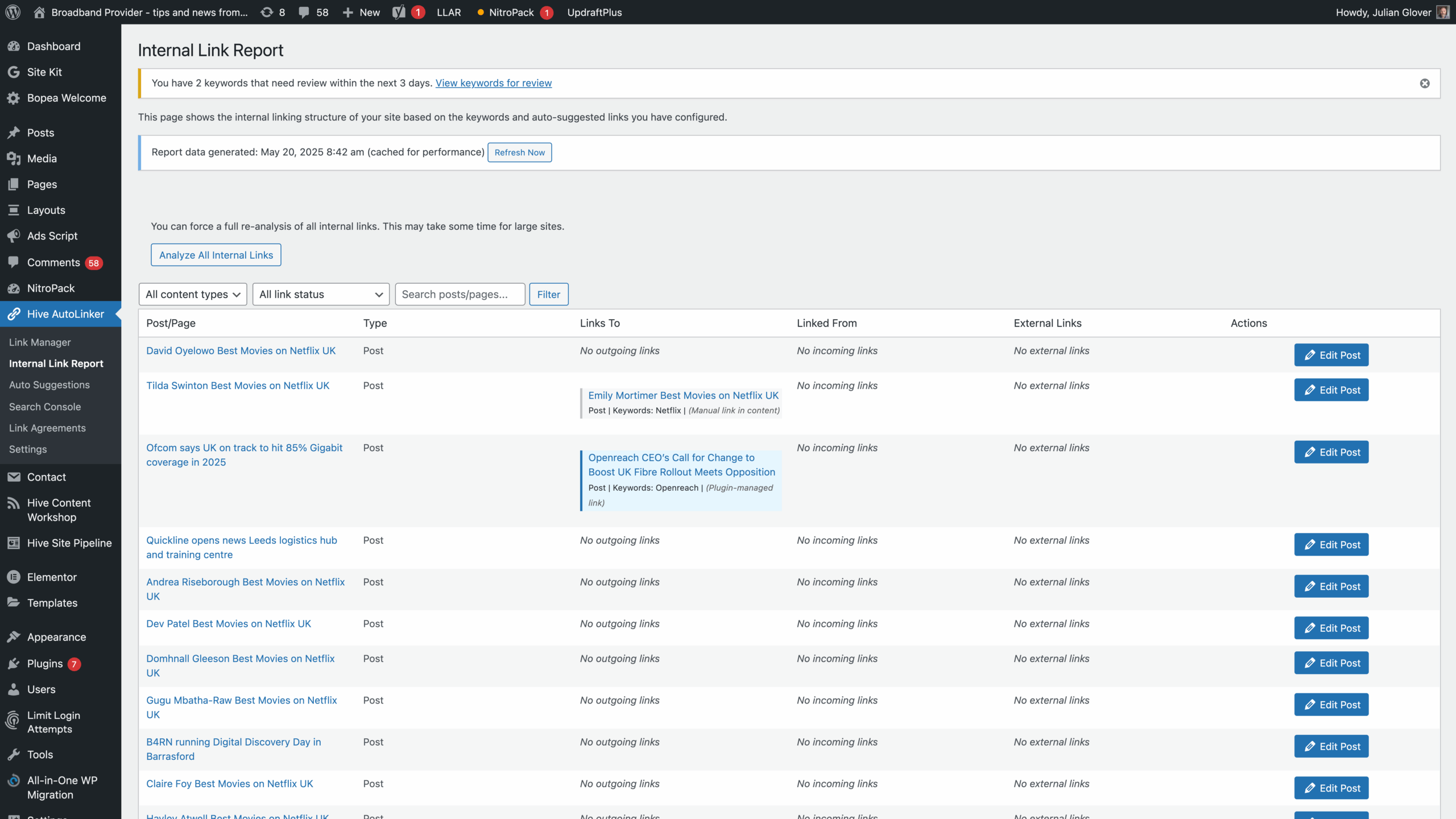
Regular content audits help you identify orphaned content (pages with no internal links pointing to them) and over-linked pages that might be diluting their effectiveness.
Link opportunity analysis involves reviewing new content for linking opportunities and updating existing content to link to new resources.
Performance tracking means monitoring which internal links drive the most traffic and conversions, then replicating those successful patterns.
The bottom line: internal links are one of the few marketing tactics that improve SEO, user experience, and conversion rates simultaneously. While your competitors focus solely on external link building, you can gain a significant advantage by mastering the links you completely control.
Your internal linking strategy should be as intentional as your content strategy, social media strategy, or any other marketing channel. The brands that understand this win more traffic, engage visitors longer, and convert at higher rates.
Start auditing your internal links today. Your future marketing self will thank you.